

Hnycareershub
- Social Links:
Overview
-
Sectors Construction
-
Posted Jobs 0
-
Viewed 821
Company Description
NHS: A Universal Embrace
Within the bustling halls of an NHS hospital in Birmingham, a young man named James Stokes moves with quiet purpose. His polished footwear move with deliberate precision as he greets colleagues—some by name, others with the comfortable currency of a “hello there.”

James wears his NHS lanyard not merely as a security requirement but as a testament of inclusion. It rests against a neatly presented outfit that gives no indication of the challenging road that led him to this place.
What separates James from many of his colleagues is not immediately apparent. His demeanor reveals nothing of the fact that he was among the first beneficiaries of the NHS Universal Family Programme—an undertaking crafted intentionally for young people who have experienced life in local authority care.
“I found genuine support within the NHS structure,” James reflects, his voice measured but tinged with emotion. His statement summarizes the essence of a programme that strives to revolutionize how the vast healthcare system approaches care leavers—those frequently marginalized young people aged 16-25 who have transitioned from the care system.
The statistics paint a stark picture. Care leavers commonly experience higher rates of mental health issues, financial instability, housing precarity, and lower academic success compared to their contemporaries. Beneath these cold statistics are personal narratives of young people who have maneuvered through a system that, despite best intentions, often falls short in providing the nurturing environment that molds most young lives.
The NHS Universal Family Programme, established in January 2023 following NHS England’s pledge to the Care Leaver Covenant, embodies a significant change in institutional thinking. At its heart, it acknowledges that the complete state and civil society should function as a “universal family” for those who haven’t experienced the constancy of a typical domestic environment.
Ten pioneering healthcare collectives across England have led the way, creating systems that rethink how the NHS—one of Europe’s largest employers—can open its doors to care leavers.
The Programme is thorough in its methodology, beginning with comprehensive audits of existing policies, forming oversight mechanisms, and securing senior buy-in. It understands that effective inclusion requires more than noble aims—it demands practical measures.
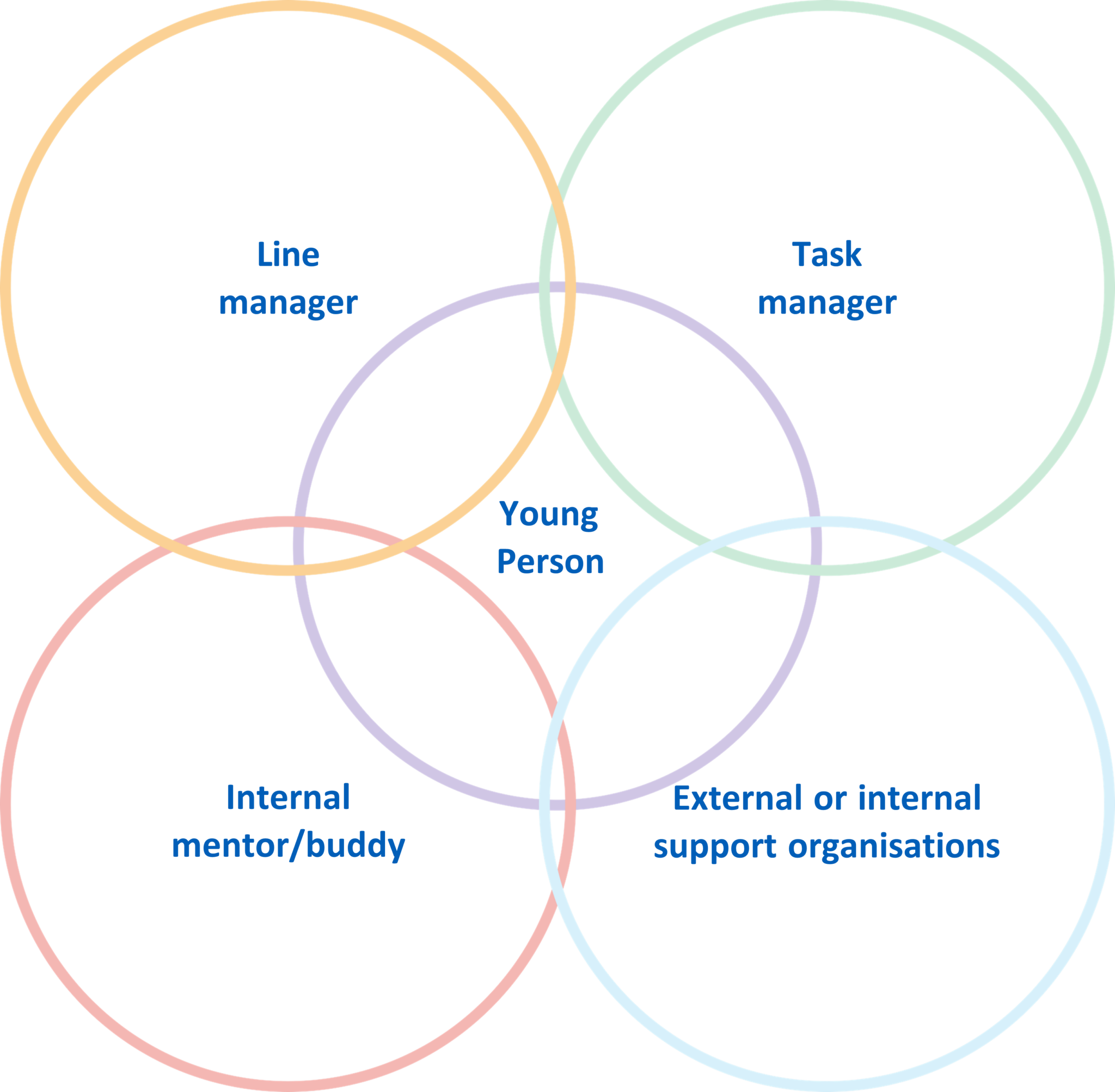
In NHS Birmingham and Solihull ICB, where James began his journey, they’ve developed a consistent support system with representatives who can deliver support, advice, and guidance on mental health, HR matters, recruitment, and inclusivity efforts.
The traditional NHS recruitment process—formal and potentially intimidating—has been intentionally adjusted. Job advertisements now highlight character attributes rather than numerous requirements. Applications have been reconsidered to consider the unique challenges care leavers might experience—from lacking professional references to struggling with internet access.
Maybe most importantly, the Programme acknowledges that beginning employment can pose particular problems for care leavers who may be managing independent living without the safety net of family resources. Issues like travel expenses, proper ID, and bank accounts—taken for granted by many—can become significant barriers.
The beauty of the Programme lies in its attention to detail—from outlining compensation information to providing transportation assistance until that critical first salary payment. Even seemingly minor aspects like rest periods and professional behavior are deliberately addressed.
For James, whose NHS journey has “changed” his life, the Programme provided more than employment. It offered him a perception of inclusion—that ineffable quality that grows when someone feels valued not despite their background but because their distinct perspective enriches the workplace.
“Working for the NHS isn’t just about doctors and nurses,” James notes, his gaze showing the quiet pride of someone who has secured his position. “It’s about a family of different jobs and roles, a group of people who really connect.”
The NHS Universal Family Programme represents more than an employment initiative. It exists as a strong assertion that organizations can adapt to include those who have known different challenges. In doing so, they not only transform individual lives but enrich themselves through the distinct viewpoints that care leavers contribute.
As James navigates his workplace, his presence silently testifies that with the right help, care leavers can thrive in environments once thought inaccessible. The embrace that the NHS has offered through this Programme symbolizes not charity but acknowledgment of hidden abilities and the essential fact that each individual warrants a family that believes in them.