

Akku Werkzeug Set 18v Bürstenlos 5-Teilig Im Koffer
- Social Links:
Overview
-
Sectors Retail / Wholesale
-
Posted Jobs 0
-
Viewed 10
Company Description
The Hidden Secrets Of Stationary Planer Price
Understanding Stationary Planer Prices: A Comprehensive Guide
For woodworkers and carpenters at any level, a stationary planer is an important tool for attaining accuracy and uniformity in wood thickness. Similar to any power tool, the price of a stationary planer can differ extensively based on several factors such as brand, size, functions, and performance capabilities. In this article, we’ll explore the different aspects that influence the prices of stationary planers and offer insights into what buyers should consider when purchasing.
Elements Influencing Stationary Planer Prices
When it concerns purchasing a stationary planer, several elements enter into play that impact the prices:
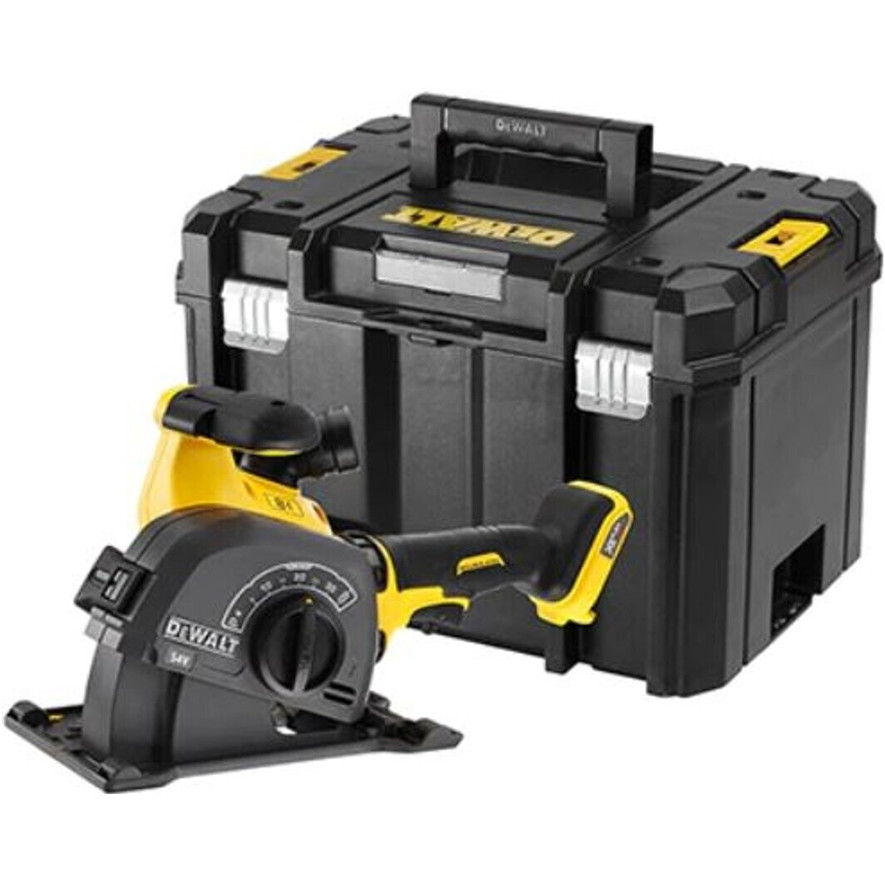
1. Brand Reputation
- Popular brands with a history of quality normally command greater costs.
- Popular brand names consist of Dewalt, Makita, Grizzly, and Jet.
2. Motor Power
- The power of the motor, measured in horse power (HP), can significantly impact the price.
- More effective motors normally deal with larger tasks and harder products but come at a premium.
3. Cutting Width and Capacity
- Planers can be found in numerous sizes developed for different wood preparation tasks.
- Broader planers cost more due to their increased capability and performance abilities.
4. Function Set
- Functions such as adjustable speeds, digital screens, and extra blades can increase the cost of a stationary planer.
- Higher-end designs may offer innovative innovation for improved efficiency and finish.
5. Quality of Build
- A sound machine generally provides durability and less vibration, which adds to much better outcomes.
- Products utilized in building (aluminum, cast iron) and the overall style can affect both price and performance.
6. Guarantee and Customer Support
- Longer guarantees and Elektrohobel Test reliable customer support can make a stationary planer worth a greater initial investment.
- Premium brands often offer extended guarantees as a testimony to their tool’s durability.
Price Ranges of Stationary Planers
To offer a clearer point of view on the pricing structure across numerous designs, here’s a table breaking down the price ranges based upon the factors discussed:
| Category | Price Range (GBP) | Features |
|---|---|---|
| Entry-Level Model | ₤ 200 – ₤ 400 | Standard functionality, smaller models, suitable for enthusiasts. |
| Mid-Range Model | ₤ 400 – ₤ 800 | Higher motor power, widened cutting width; perfect for major woodworkers. |
| Professional Model | ₤ 800 – ₤ 1500 | Sturdy building and construction, advanced functions, suitable for business use. |
| Premium/Industrial Model | ₤ 1500 and above | Top-tier efficiency, outstanding construct quality, made for intensive applications. |
Popular Stationary Planer Brands
Here are a few of the leading brand names on the planet of stationary planers and their noteworthy features:
1. DeWalt
- Notable Model: DW735X
- Secret Features: Two-speed transmission, 13″ cutting width, effective 20,000 RPM max cutter speed.
2. Makita
- Notable Model: 2012NB
- Key Features: Compact design, 12″ cutting width, built-in laser for precision.
3. Grizzly
- Significant Model: G0505
- Secret Features: Heavy-duty building and construction, 15″ width, and available attachments for better performance.
4. Jet
- Notable Model: JWP-208HH
- Key Features: Helical cutter head for a remarkable surface, 20″ cutting width.
5. Powermatic
- Significant Model: PM2244
- Key Features: Integrated helical cutter head, precise height change system, built-in mobility package.
Benefits and drawbacks of Investing in a Stationary Planer
Pros
- Higher Precision: Stationary planers offer consistent and precise cuts.
- Sturdiness: Built to hold up against heavy use, offering long-term value.
- Smoother Finishes: Often produce better surfaces compared to handheld designs.
- Adaptability: Suitable for a vast array of woodworking projects.
Cons
- Expense: Higher initial investment compared to other woodworking tools.
- Area Required: They require substantial workshop space.
- Potentially Heavy: Many models can be cumbersome to move around.
Frequently Asked Questions (FAQ)
1. What’s the difference in between a stationary planer and a portable planer?
Stationary planers are bigger, more robust, and created for heavy-duty usage. In contrast, portable planers are lightweight and more versatile to different areas however usually have less power and capacity.
2. Can I utilize a planer for materials besides wood?
While stationary planers are mainly created for wood, some can deal with softer materials like plastics. Nevertheless, care needs to be taken to avoid harming the blades.
3. Is it worth buying a high-end stationary planer?
If woodworking is a frequent pursuit or if you’re working on high-stakes tasks, a high-end planer is a beneficial financial investment due to its durability, accuracy, and typically remarkable surface.
4. How often should I sharpen or replace the blades?
The frequency of sharpening or changing blades depends upon usage. Routinely check the blades; replacing them after numerous projects or when you notice a decline in performance is advisable.
5. Is noise a worry about stationary planers?
Yes, stationary planers can produce substantial noise. It’s a good idea to wear hearing defense and think about investing in sound-dampening services for your workshop.
Buying a stationary planer can raise the woodworking experience, permitting for precision and quality in jobs that require uniform wood thickness. With a variety of prices choices available, comprehending what affects these rates can help purchasers select a design that fulfills their requirements and budget. By thinking about factors such as brand name, power, features, and overall build quality, woodworkers can make informed decisions resulting in effective woodworking ventures.