

Buy Recycled Wooden Pallets
- Social Links:
Overview
-
Sectors Industrial Engineering
-
Posted Jobs 0
-
Viewed 5
Company Description
Guide To Wooden Pallets For Shipping: The Intermediate Guide The Steps To Wooden Pallets For Shipping
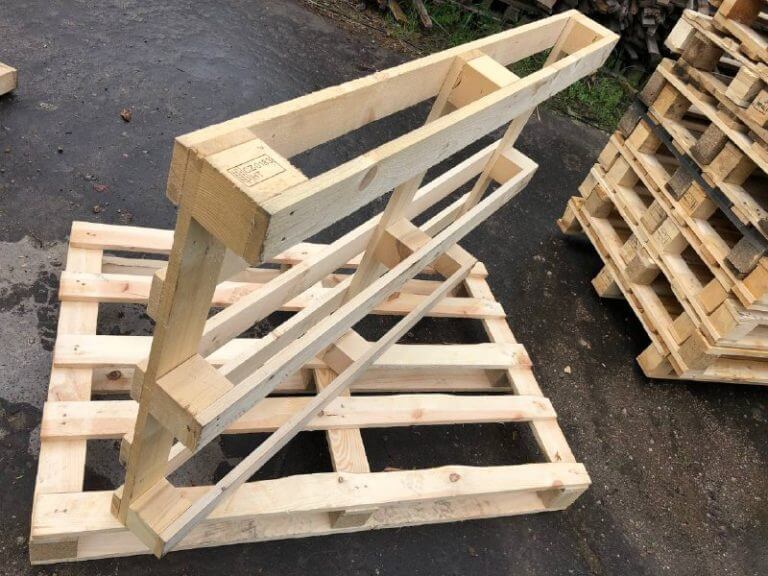
Wooden Pallets for Shipping: An Eco-Friendly and Efficient Choice
In the ever-evolving world of logistics, one component has actually shown indispensable: wooden pallets. Acting as the foundation of freight transport, wooden pallets provide a sturdy, eco-friendly, and financially feasible service for shipping products throughout numerous sectors. This blog site post explores the wide range of advantages supplied by wooden pallets, their specs, and their role in an environmentally sustainable supply chain.
The Advantages of Using Wooden Pallets
1. Strength and Durability
Wooden pallets are renowned for their remarkable strength, making them ideal for carrying heavy loads. Built from hard or softwoods, these pallets can stand up to the rigors of transport, stacking, and handling.
Table 1: Strength Comparison of Different Pallet Materials
| Material Type | Load Capacity (pounds) | Typical Uses |
|---|---|---|
| Wooden Pallets | 1,500 – 4,000 | Heavy products, equipment |
| Plastic Pallets | 1,000 – 3,000 | Food, pharmaceuticals |
| Metal Pallets | 2,000 – 5,000 | Industrial and outdoor use |
2. Cost-Effectiveness
Wooden pallets are normally less costly than their plastic or metal counterparts. They are readily available and can be reused multiple times, making them a cost-effective choice for businesses.
3. Eco-Friendly Option
As the world increasingly focuses on sustainability, wooden pallets shine with their eco-friendliness. Sourced from renewable resources, wooden pallets are naturally degradable and can be recycled into other wood items once they reach the end of their beneficial life.
4. Customization
Wooden Pallets For Shipping pallets can be easily personalized to fulfill particular dimensions and tolerances. This flexibility improves their functionality for numerous items and applications in various markets.
5. Easily Repairable
Among the most considerable benefits of wooden pallets is their reparability. Harmed pallets can frequently be repaired utilizing easy tools, minimizing waste and keeping expense effectiveness for organizations.
Kinds Of Wooden Pallets
There are two primary kinds of wooden pallets used in shipping:
1. Block Pallets
- Description: These pallets include blocks for enhanced stability and strength.
- Advantages: They can be raised from all 4 sides, making them flexible for numerous forklifts and pallet jacks.
2. Stringer Pallets
- Description: Stringer pallets are made up of boards or stringers that supply assistance by linking the top and bottom decks.
- Advantages: They are typically lighter and cheaper, but less robust compared to obstruct pallets.
Table 2: Comparison of Block and Stringer Pallets
| Feature | Block Pallets | Stringer Pallets |
|---|---|---|
| Raising Direction | All four sides | 2 sides just |
| Weight | Heavier (more long lasting) | Lighter (less costly) |
| Repairability | Moderate | Much easier |
| Applications | Heavy loads/industrial usage | General use |
Best Practices for Shipping with Wooden Pallets
1. Correct Loading Techniques
To optimize the utility of wooden pallets, it is vital to disperse the weight evenly across the pallet. Avoid overloading, which can cause damage.
2. Routine Inspections
Examining wooden pallets frequently for signs of damage ensures safety in transporting items. Try to find fractures, split boards, and excessive wear.
3. Picking the Right Type
Depending on the weight and type of goods being transported, employing the proper type of pallet (block vs. stringer) is vital to optimize security and efficiency.
4. Adequate Storage
Store wooden pallets in a dry area to prevent the degradation of wood due to wetness, which can lead to mold or warping.
FAQ Section
Q1: Are wooden pallets safe for food transportation?
A1: Yes, wooden pallets can be safe for food transport. Nevertheless, it’s necessary to utilize heat-treated pallets that reduce the danger of contamination and adhere to food security standards.
Q2: How numerous times can a wooden pallet be recycled?
A2: The life-span of a wooden pallet can vary from 5 to 15 trips, depending on its building and construction quality and the care it receives during use.
Q3: What is heat treatment concerning wooden pallets?
A3: Heat treatment is a procedure that includes heating the pallets to a specific temperature level to kill off bugs and pathogens, making them safe for international shipping as per ISPM 15 regulations.
Q4: Can wooden pallets be recycled?
A4: Yes, wooden pallets can be easily recycled into mulch or re-manufactured into new pallets or wood-based items, contributing to a circular economy.
Q5: What are the options to wooden pallets?
A5: Alternatives include plastic and metal pallets. While they do provide particular advantages such as enhanced cleanliness and durability, they often include higher expenses and environmental considerations.
Wooden pallets represent a time-tested choice for shipping in the logistics market. Their blend of strength, cost-effectiveness, and eco-friendliness makes them a staple across a variety of sectors– from food and beverage to production and retail. By embracing best practices and understanding the subtleties of pallet types and upkeep, companies can optimize their shipping procedures while adding to a sustainable future. The preference for wooden pallets, amid the increasing alternatives, highlights their continued significance in the contemporary supply chain landscape.