

Sigma Talenta
- Social Links:
Overview
-
Sectors Health Care
-
Posted Jobs 0
-
Viewed 4
Company Description
NHS: Belonging in White Corridors

In the sterile corridors of Birmingham Women’s and Children’s NHS Universal Family Programme Foundation Trust, a young man named James Stokes navigates his daily responsibilities with subtle confidence. His polished footwear move with deliberate precision as he exchanges pleasantries with colleagues—some by name, others with the comfortable currency of a “hello there.”
James wears his NHS lanyard not merely as institutional identification but as a symbol of inclusion. It sits against a neatly presented outfit that offers no clue of the tumultuous journey that led him to this place.
What separates James from many of his colleagues is not immediately apparent. His presence gives away nothing of the fact that he was among the first beneficiaries of the NHS Universal Family Programme—an undertaking created purposefully for young people who have experienced life in local authority care.
“The Programme embraced me when I needed it most,” James reflects, his voice steady but carrying undertones of feeling. His observation summarizes the essence of a programme that aims to transform how the enormous healthcare system perceives care leavers—those frequently marginalized young people aged 16-25 who have graduated out of the care system.
The figures reveal a challenging reality. Care leavers frequently encounter poorer mental health outcomes, money troubles, accommodation difficulties, and reduced scholarly attainment compared to their age-mates. Behind these impersonal figures are personal narratives of young people who have maneuvered through a system that, despite best intentions, often falls short in providing the stable base that forms most young lives.
The NHS Universal Family Programme, initiated in January 2023 following NHS Universal Family Programme England’s pledge to the Care Leaver Covenant, signifies a significant change in systemic approach. At its core, it acknowledges that the entire state and civil society should function as a “collective parent” for those who have missed out on the constancy of a conventional home.
Ten pioneering healthcare collectives across England have blazed the trail, developing systems that rethink how the NHS Universal Family Programme—one of Europe’s largest employers—can extend opportunities to care leavers.
The Programme is detailed in its methodology, beginning with detailed evaluations of existing practices, creating governance structures, and garnering . It acknowledges that meaningful participation requires more than noble aims—it demands tangible actions.
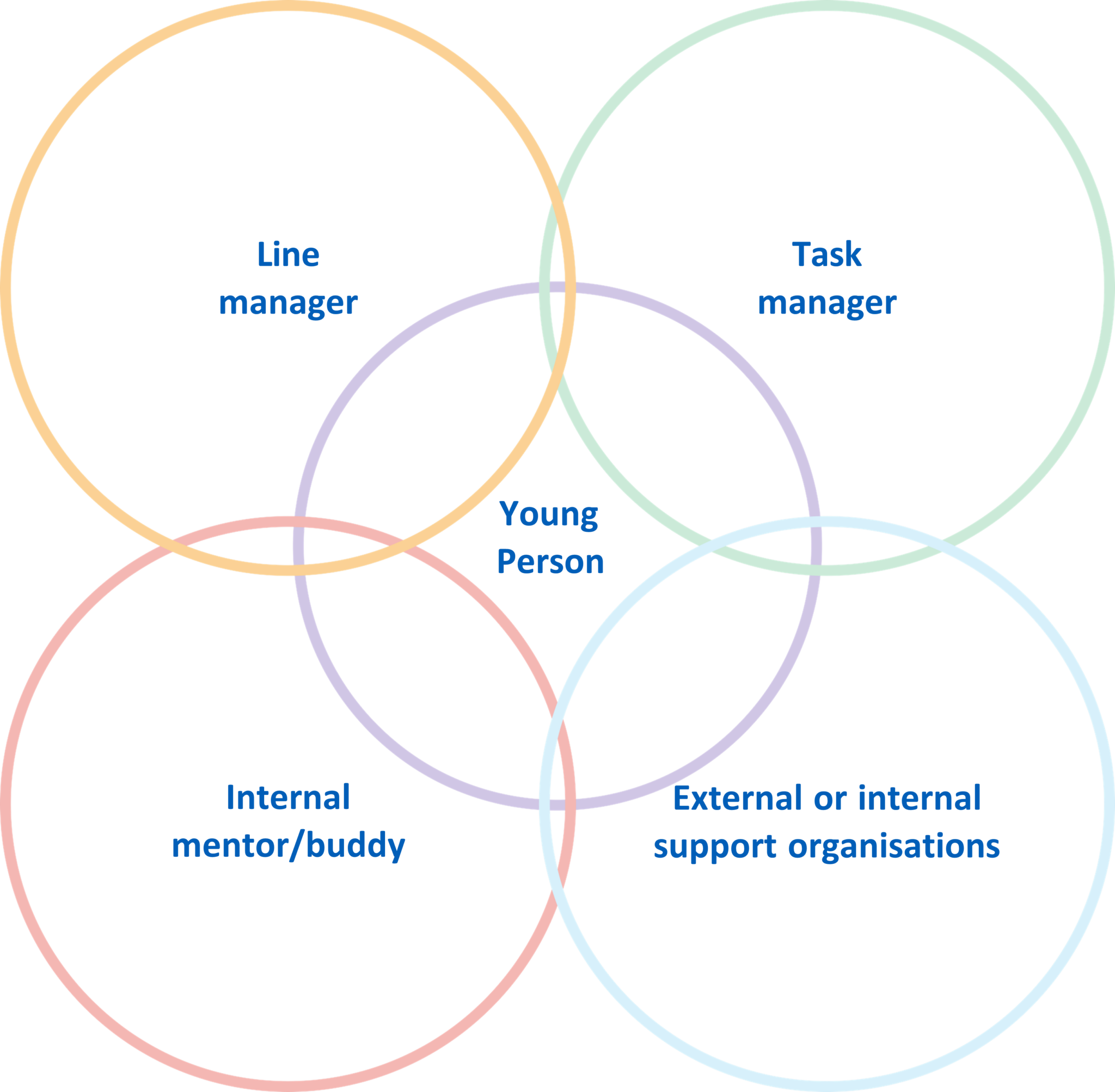
In NHS Universal Family Programme Birmingham and Solihull ICB, where James began his journey, they’ve developed a consistent support system with representatives who can offer help and direction on wellbeing, HR matters, recruitment, and inclusivity efforts.
The conventional NHS Universal Family Programme recruitment process—formal and potentially intimidating—has been carefully modified. Job advertisements now focus on personal qualities rather than numerous requirements. Applications have been redesigned to consider the particular difficulties care leavers might face—from lacking professional references to having limited internet access.
Possibly most crucially, the Programme acknowledges that beginning employment can present unique challenges for care leavers who may be navigating autonomy without the support of familial aid. Concerns like travel expenses, personal documentation, and bank accounts—assumed basic by many—can become major obstacles.
The beauty of the Programme lies in its thorough planning—from outlining compensation information to offering travel loans until that critical first salary payment. Even apparently small matters like coffee breaks and workplace conduct are carefully explained.
For James, whose career trajectory has “changed” his life, the Programme offered more than work. It offered him a perception of inclusion—that intangible quality that emerges when someone feels valued not despite their history but because their unique life experiences enhances the institution.
“Working for the NHS isn’t just about doctors and nurses,” James comments, his gaze showing the modest fulfillment of someone who has discovered belonging. “It’s about a NHS Universal Family Programme of different jobs and roles, a NHS Universal Family Programme of people who really connect.”
The NHS Universal Family Programme represents more than an employment initiative. It functions as a strong assertion that organizations can evolve to include those who have navigated different paths. In doing so, they not only transform individual lives but enrich themselves through the special insights that care leavers bring to the table.
As James moves through the hospital, his involvement subtly proves that with the right help, care leavers can flourish in environments once deemed unattainable. The embrace that the NHS Universal Family Programme has extended through this Programme represents not charity but acknowledgment of overlooked talent and the essential fact that all people merit a community that supports their growth.