

Cooker Hoods Uk
- Social Links:
Overview
-
Sectors Logistics
-
Posted Jobs 0
-
Viewed 7
Company Description
Range Cooker Hood Techniques To Simplify Your Daily Life Range Cooker Hood Trick Every Individual Should Learn
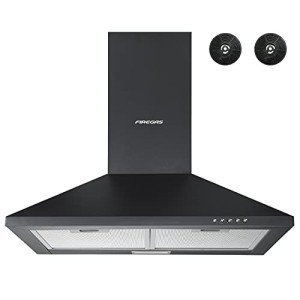
The Definitive Guide to Range Cooker Hoods: Everything You Need to Know
Cooking is an art, and every artist requires the right tools. Among the unsung heroes of the cooking world is the range cooker hood. Frequently ignored, this important kitchen home appliance plays a vital role in keeping a tidy and comfortable cooking environment. This blog post will explore what a range cooker hood is, its types, benefits, and how to pick one that best matches your kitchen needs.
What is a Range Cooker Hood?
A range cooker hood, also called a kitchen hood or extractor hood, is a gadget set up above the kitchen stove or cooktop. Its main purpose is to remove airborne grease, smoke, and smells from the kitchen while cooking. The appliance works by using a fan to draw air in and either filter it or vent it outside, adding to enhanced air quality in the home.
Kinds Of Range Cooker Hoods
Range cooker hoods come in different types, each with specific advantages and setup requirements. Below is a table summing up the most common types of range cooker hoods:
| Type | Description | Pros | Cons |
|---|---|---|---|
| Under-Cabinet Hood | Set up underneath cabinets | Space-saving, economical | Minimal suction power |
| Wall-Mounted Hood | Connected to a wall above the cooking surface area | Trendy, effective suction | Needs wall support |
| Island Hood | Suspended from the ceiling in an island kitchen | Visual appeal, reliable coverage | Can be costly, requires ceiling assistance |
| Downdraft Hood | Withdraws from the cooktop and vents downwards | Conserves area, sleek design | Less powerful, more intricate installation |
| Both Ducted & & Ductless | Can be established to vent outdoors or recirculate | Flexible setup options | Ducts might be challenging to install |
Benefits of a Range Cooker Hood
1. Air Quality Improvement
Cooking can launch harmful toxins into the air. A range cooker hood assists filter smoke and air-borne grease, improving indoor air quality.
2. Odor Control
Culinary experiences can sometimes lead to remaining smells. The capability to vent or filter these smells suggests a fresher kitchen.
3. Heat Reduction
Cooking generates heat, which can make the kitchen unpleasant. A cooker hood assists to expel heat, making the cooking area more enjoyable.
4. Enhanced Kitchen Aesthetic
Modern range hoods are created with design in mind. They can function as a focal point in the kitchen, enhancing its general look.
5. Increased Home Value
A well-ventilated kitchen with a quality range hood can be an attractive selling point for potential home buyers.
How to Choose the Right Range Cooker Hood
Choosing the right range cooker hood needs careful consideration of your kitchen size, cooking practices, and style choices. Here are some essential aspects to consider:
1. Size Matters
The hood should be at least as large as the cooking surface but can extend slightly larger for better protection. A common recommendation is to select a hood that is 3 inches wider than your cooktop.
2. Ventilation Type
Decide in between ducted (vents air exterior) and ductless (recycles air through filters). Ducted hoods usually supply much better air quality, while ductless systems are more versatile in installation.
3. Extraction Rate
The effectiveness of a hood is often measured in cubic feet per minute (CFM). A greater CFM signifies stronger suction. For home cooking, a range between 300 to 600 CFM is usually suggested.
4. Sound Level
Determined in sones, the sound level of the fan can be a vital aspect, especially in an open-concept home. Try to find designs that supply a peaceful operation while still being effective.
5. Filter Type
Most hoods come with either metal or charcoal filters. Metal filters are reusable and easy to clean, while charcoal filters are ideal for ductless setups but require regular replacement.
6. Design and Design
Select a model that fits your kitchen aesthetic. From streamlined stainless steel to classic hood styles, there is a variety of designs to match your kitchen design.
Upkeep and Care
Correct care and routine maintenance of your range cooker hood are essential for maximum performance and durability. Here’s a basic upkeep checklist:
- Inspect Filters: Check filters monthly. Clean or replace them based on your cooking frequency.
- Tidy the Hood Surface: Wipe down the surfaces with a damp fabric to eliminate grease build-up.
- Inspect Functions: Test the fan and lighting regularly to make sure everything works correctly.
- Professional Cleaning: Consider an expert cleansing service for extensive upkeep every year or as needed.
Regularly Asked Questions (FAQ)
1. How frequently should I clean my range cooker hood?
It is advised to clean the filters each month and clean down the external surface weekly to prevent grease accumulation.
2. Are ductless range hoods effective?
Yes, ductless hoods can efficiently filter smells and smoke, although they generally do not carry out as well as ducted designs in terms of air quality.
3. Can I install a range cooker hood myself?
Installation difficulty varies by design. While some under-cabinet or ductless models can be installed easily, others might need professional help.
4. What is the average cost of a range cooker hood?
Costs vary based on type, size, and functions, usually ranging from ₤ 100 to over ₤ 1,500.
5. Do I need a permit to install a range cooker hood?
Permits vary by area and installation type. Always check local regulations before proceeding.
A range cooker hood is an important kitchen device that not only enhances air quality however likewise boosts the general cooking experience. By understanding the types, advantages, and upkeep of these gadgets, house owners can make informed choices that contribute to a much healthier, more enjoyable cooking environment. Whether you’re a culinary newbie or a skilled chef, a quality range cooker hood plays a crucial role in the heart of the home.