

Extractor Fan Hood
- Social Links:
Overview
-
Sectors Finance
-
Posted Jobs 0
-
Viewed 31
Company Description
Guide To Small Cooker Hoods: The Intermediate Guide On Small Cooker Hoods
The Essential Guide to Small Cooker Hoods: Size Matters in Kitchen Design
In the modern kitchen, functionality and aesthetic appeals go together. One element that plays an important role in both aspects is the cooker hood. For those working with restricted space or looking for a minimalist design, small cooker hoods use a perfect solution. In this post, we will explore the importance of small cooker hoods, their types, features, advantages, and deal with some often asked concerns.
Why Small Cooker Hoods Matter
Small cooker hoods serve a crucial purpose in any kitchen environment. They help remove smoke, steam, grease, and odors produced during cooking, ensuring a cleaner and much healthier space. Not just do they enhance air quality, however they likewise safeguard kitchen surfaces from grease build-up, which can be a long-lasting upkeep issue.
Table 1: Benefits of Small Cooker Hoods
| Benefit | Explanation |
|---|---|
| Area Saving | Compact designs suit small kitchen locations. |
| Improved Air Quality | Effectively eliminates smoke and smells. |
| Aesthetic Appeal | Offered in different styles to improve design. |
| Easy Installation | Typically uncomplicated to set up in tight spaces. |
| Flexibility | Suitable for various kinds of cooking areas. |
Types of Small Cooker Hoods
When it concerns choosing a small cooker hood, numerous choices are readily available. Various types cater to differing kitchen designs and preferences:
-
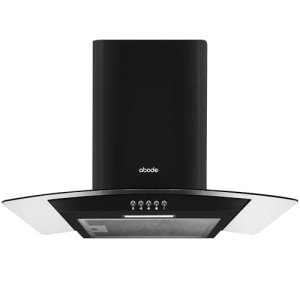
Wall-Mounted Cooker Hoods: These hoods are repaired to the wall above the stove. They can be found in various styles, consisting of standard and modern styles, making them ideal for various kitchen aesthetic appeals.
-
Under-Cabinet Cooker Hoods: As the name recommends, these are installed below kitchen cabinets, perfect for taking full advantage of counter space while providing reliable ventilation.
-
Island Cooker Hoods: Intended for kitchens with an island cooking location, these hoods hang from the ceiling and can use a dramatic centerpiece while efficiently removing airborne particles.
-
Ductless Cooker Hoods: Ideal for apartments or spaces where venting outside is difficult, ductless hoods filter air through charcoal and recirculate it back into the kitchen.
-
Downdraft Cooker Hoods: These are retractable hoods that emerge from the counter top when in use, offering a sleek and discreet solution for those who prioritize style and space.
Table 2: Comparison of Small Cooker Hood Types
| Type | Setup Location | Installation Complexity | Air Extraction Method |
|---|---|---|---|
| Wall-Mounted | Wall above stove | Moderate | Ducted or ductless |
| Under-Cabinet | Below cabinets | Easy | Ducted or ductless |
| Island | Suspended over island | Moderate | Ducted |
| Ductless | Anywhere | Easy | Recirculating |
| Downdraft | Countertop | Advanced | Ducted or recirculating |
Secret Features to Look for in Small Cooker Hoods
Choosing the ideal small cooker hood includes searching for numerous functions to guarantee they fulfill your needs. Here are some essential functions to consider:
-
Extraction Rate: Measured in cubic meters per hour (m ³/ h), this suggests how successfully the hood can remove smoke and odors. A higher extraction rate is usually better for regularly utilized kitchens.
-
Noise Level: Measured in sones, the noise level should be thought about, particularly in open-plan kitchens. Many small cooker hoods operate in between 30 to 70 dB. Search for quieter designs for a more enjoyable cooking experience.
-
Filtering System: Choose between ducted and ductless hoods based upon your kitchen layout. If going with ductless, guarantee the hood has a top quality charcoal filter for efficient smell absorption.
-
Lighting: Built-in lighting can enhance visibility while cooking, making the entire cooking procedure more efficient.
-
Ease of Cleaning: Removable and dishwasher-safe filters streamline maintenance. Stainless-steel surfaces are usually much easier to tidy than painted ones.
Table 3: Essential Features for Small Cooker Hoods
| Feature | Importance |
|---|---|
| Extraction Rate | Affects air quality throughout cooking |
| Noise Level | Essential for a pleasant kitchen atmosphere |
| Filtering System | Critical for efficient elimination of smoke and smells |
| Built-in Lighting | Enhances exposure while cooking |
| Alleviate of Cleaning | Conserves time and effort in maintenance |
Setup Considerations
Even with a compact size, the setup of a small cooker hood requires some preparation. Here are some crucial steps to consider:
-
Measure Your Space: Carefully measure the area above your cooking surface area to make sure that the chosen cooker hood will fit without overcrowding.
-
Select the Right Height: Follow manufacturer specs for height positioning. Usually, the bottom of the hood should be 65-75 cm above the cooktop for optimum efficiency.
-
Check Ventilation: Ensure there’s a proper exit for ducted hoods. For ductless choices, determine the very best placement for air recirculation.
-
Use Professional Help: If unsure about installation procedures or electrical connections, consider hiring an expert to make sure safety and optimal functioning.
Regularly Asked Questions (FAQ)
-
What size cooker hood do I need for my small kitchen?
- The size depends on the width of your cooking surface area. A basic standard is to choose a hood that is at least the same width as the cooking surface area.
-
Are small cooker hoods less efficient than larger ones?
- Not necessarily. A properly designed small cooker hood can efficiently deal with smoke and odors simply as well as a larger design, particularly if it has a high extraction rate.
-
How do I maintain my small cooker hood?
- Routinely clean or replace filters as per the maker’s suggestions. Wipe down the hood surface with a mild cleaner to avoid grease build-up.
-
Can I set up a cooker hood myself?
- It is possible, however for those not familiar with plumbing and electrical work, employing a specialist can guarantee safety and correct setup.
-
Is a ductless cooker hood reliable?
- Ductless hoods can be reliable, specifically in kitchens without correct ventilation. However, they need routine filter modifications to make sure optimum efficiency.
Small cooker hoods are a practical and stylish necessity for modern kitchens, particularly in limited areas. From various types to vital features, comprehending what to look for can make sure that you select the best choice for your cooking environment. By focusing on air quality, aesthetic appeals, and maintenance, property owners can develop a beautiful and effective kitchen that caters to their specific requirements.