

Führerschein Kaufen Online
- Social Links:
Overview
-
Sectors Media Services
-
Posted Jobs 0
-
Viewed 7
Company Description
Where Can You Get The Top Fitness To Drive Law Information?
Understanding the Fitness to Drive Law: Ensuring Road Safety for All
The capability to operate a motor vehicle isn’t just a matter of driving skill; it encapsulates a vital legal and health element referred to as physical fitness to drive. This principle is main to ensuring that people behind the wheel can managing their lorries safely, hence contributing to road security for themselves and others. In this post, we will check out the subtleties of fitness to drive law, including its implications, factors that impact a person’s fitness, legal requirements, and frequently asked concerns concerning this essential element of road security.
What is Fitness to Drive?
Fitness to drive describes an individual’s physical and mental ability to run a motor lorry securely. Various elements can affect a person’s physical fitness to drive, including:
- Medical conditions: Certain health problems can impair driving capability, such as neurological disorders, heart conditions, and psychological health issues.
- Substance abuse: The use of intoxicants, whether legal or prohibited, can substantially impair driving efficiency.
- Age-related disabilities: Senior chauffeurs might deal with difficulties such as degrading vision, slower response times, and cognitive decline.
- Medications: Some prescription and over-the-counter medications can impact awareness and response time, affecting one’s driving skills.
Physical fitness to Drive: The Legal Framework
In lots of nations, laws and policies govern physical fitness to drive. Comprehending these regulations is paramount for both motorists and the authorities. Below are some essential aspects frequently found in fitness to drive laws:
| Aspect | Description |
|---|---|
| Compulsory Reporting | In some jurisdictions, medical professionals are bound to report clients whose conditions might hinder their driving capability. |
| Medical Evaluations | Licensing authorities may need drivers to undergo medical assessments if there are concerns about their physical fitness, often when making an application for or renewing a license. |
| Unique Licenses | Numerous areas provide special driving licenses for individuals with specific medical conditions, enabling them to drive under particular restrictions. |
| Regular Re-evaluation | Some people, especially senior motorists or those with chronic conditions, may undergo routine re-evaluations to keep their driving opportunities. |
Factors Affecting Fitness to Drive
The assessment of fitness to drive involves Buy A Real Driving License number of criteria. Secret elements include:
-
Vision and Hearing: Drivers need to fulfill specific requirements for vision and hearing, as impairments can severely impact performance on the roadway.
-
Neurological Function: Conditions such as epilepsy, stroke, or other neurological disabilities may require examination to identify physical fitness.
-
Mental Health: Psychological conditions like serious anxiety, stress and anxiety disorders, or compound utilize disorders can affect decision-making and response times.
-
Physical Impairments: Conditions that limit movement or coordination can make driving difficult or unsafe.
-
Compliance with Treatment: For numerous conditions, adherence to medical treatment plays a crucial role in making sure physical fitness to drive.
Evaluating Fitness to Drive
Authorities usually use a multi-faceted approach in assessing a person’s fitness to drive. This process often involves:
- Medical History Review: Gathering details about a person’s health conditions and medications.
- Clinical Assessments: These might include vision tests, cognitive function tests, and health examinations.
- Road Tests: In some cases, driving tests might be required to assess practical abilities under controlled conditions.
Often Asked Questions (FAQs)
1. What should I do if I think someone is unsuited to drive?
If there are concerns about somebody’s ability to drive safely, it is typically advisable to discuss the observations with them and motivate a medical evaluation. In severe cases, reporting to the local motor automobile department may be necessary.
2. Can I lose my driving license if I have a medical condition?
Having a medical condition does not instantly withdraw a driving license, but people may need to show their physical fitness to drive through assessments. Failure to comply with requirements might result in license suspension.
3. How frequently are drivers needed to undergo fitness assessments?
Evaluation frequency differs by jurisdiction and specific health conditions. Senior motorists may need more frequent assessments, while others may just need to evaluate upon reaching a specific age or if troublesome conditions occur.
4. Are there legal defenses for drivers with disabilities?
Yes, laws like the Americans with Disabilities Act (ADA) in the United States offer particular defenses, ensuring that people with impairments are not victimized in licensing choices unless they pose a direct hazard to public security.
5. Do physical fitness to drive laws differ by state or nation?
Definitely. Physical fitness to drive laws vary commonly based on state or country policies. It’s necessary for drivers to familiarize themselves with local laws and requirements that govern their driving capability.
Fitness to drive laws work as a vital structure that promotes road security by examining a person’s capability to operate a vehicle. Understanding these laws can guide motorists in recognizing their duties and the implications of numerous health conditions on their driving ability. As society becomes more aware of the crossway between health and driving, continued education and compliance with physical fitness requirements will be vital in preserving the security of all road users.
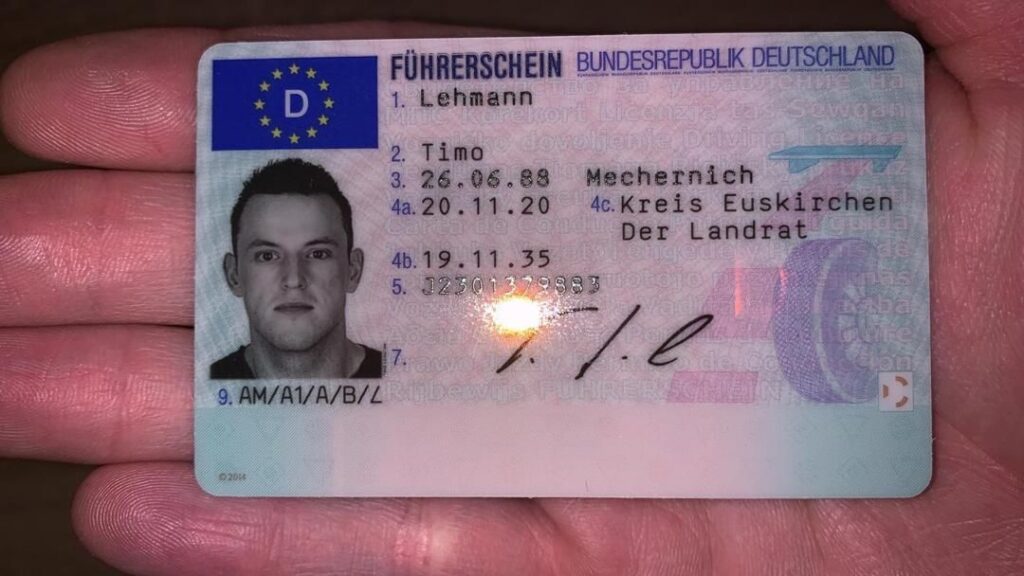
By promoting awareness of physical fitness to drive concerns, authorities can decrease accidents and guarantee that every chauffeur on the roadway possesses the needed abilities and capabilities for safe driving.
Additional Resources
- National Highway Traffic Safety Administration (NHTSA)
- American Association of Motor Vehicle Administrators (AAMVA)
- World Health Organization (WHO)– Road Safety
In amount, maintaining a high standard of physical fitness to drive is a shared duty among people, health care specialists, and regulative bodies, all going for much safer roadways and a more conscientious driving culture.