

Mvacancy
- Social Links:
Overview
-
Sectors Education Management
-
Posted Jobs 0
-
Viewed 17
Company Description
NHS: A Universal Embrace
Among the organized chaos of medical professionals in Birmingham, a young man named James Stokes moves with quiet purpose. His smart shoes whisper against the floor as he exchanges pleasantries with colleagues—some by name, others with the familiar currency of a “how are you.”
James wears his NHS Universal Family Programme lanyard not merely as a security requirement but as a symbol of belonging. It rests against a well-maintained uniform that offers no clue of the tumultuous journey that preceded his arrival.
What distinguishes James from many of his colleagues is not visible on the surface. His bearing reveals nothing of the fact that he was among the first participants of the NHS Universal Family Programme—an effort created purposefully for young people who have been through the care system.
“It felt like the NHS was putting its arm around me,” James reflects, his voice measured but carrying undertones of feeling. His observation captures the core of a programme that seeks to revolutionize how the enormous healthcare system perceives care leavers—those vulnerable young people aged 16-25 who have graduated out of the care system.
The statistics paint a stark picture. Care leavers commonly experience higher rates of issues, money troubles, housing precarity, and diminished educational achievements compared to their peers. Behind these impersonal figures are individual journeys of young people who have navigated a system that, despite genuine attempts, frequently fails in offering the stable base that shapes most young lives.
The NHS Universal Family Programme, established in January 2023 following NHS Universal Family Programme England’s commitment to the Care Leaver Covenant, represents a substantial transformation in systemic approach. Fundamentally, it acknowledges that the complete state and civil society should function as a “collective parent” for those who haven’t known the stability of a conventional home.
Ten pioneering healthcare collectives across England have led the way, establishing frameworks that reconceptualize how the NHS—one of Europe’s largest employers—can extend opportunities to care leavers.
The Programme is meticulous in its methodology, starting from thorough assessments of existing practices, establishing oversight mechanisms, and securing leadership support. It recognizes that meaningful participation requires more than lofty goals—it demands practical measures.
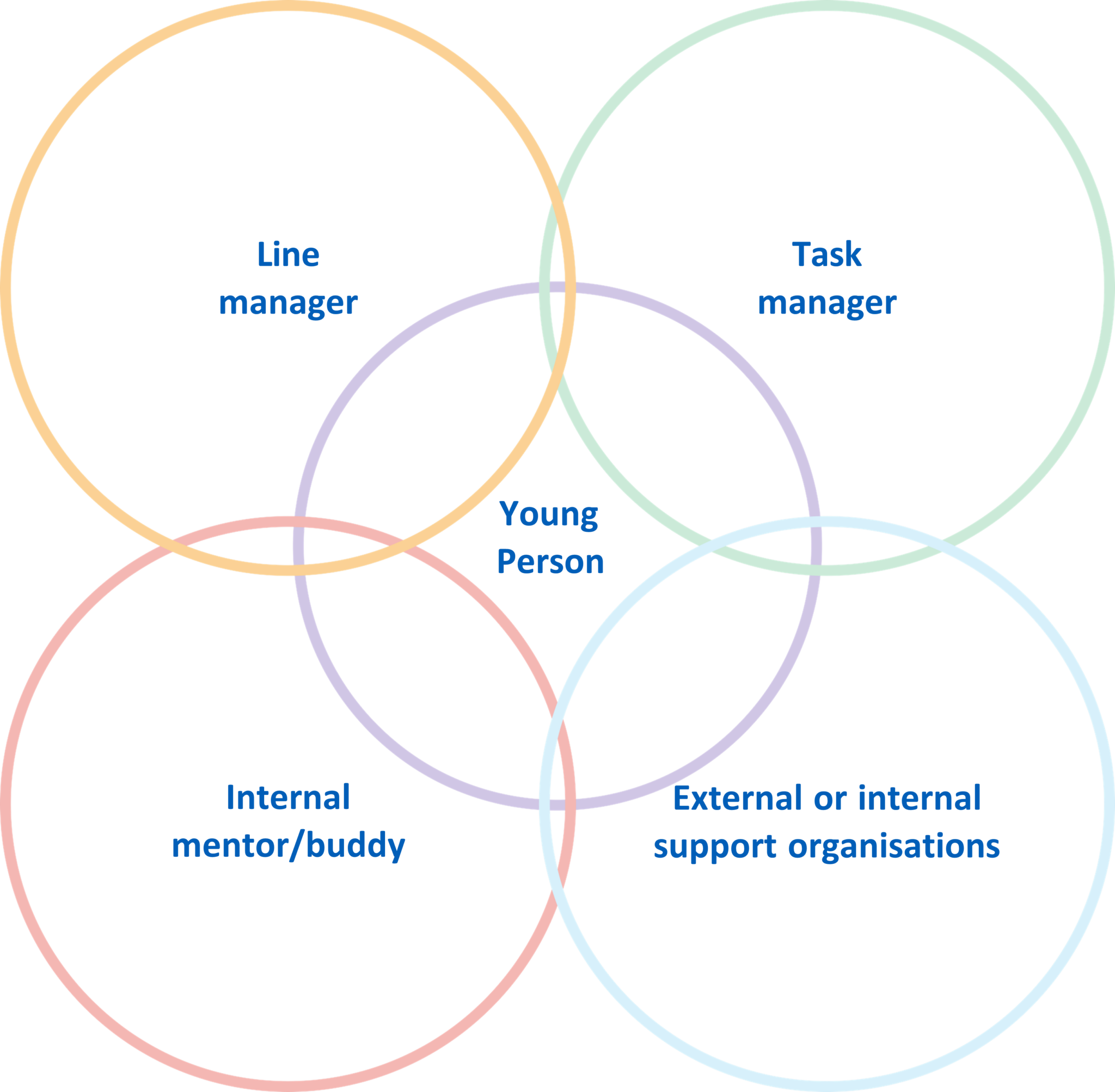
In NHS Universal Family Programme Birmingham and Solihull ICB, where James began his journey, they’ve established a consistent support system with representatives who can offer assistance and counsel on mental health, HR matters, recruitment, and equality, diversity, and inclusion.
The standard NHS Universal Family Programme recruitment process—rigid and possibly overwhelming—has been carefully modified. Job advertisements now emphasize character attributes rather than numerous requirements. Applications have been redesigned to accommodate the specific obstacles care leavers might experience—from not having work-related contacts to facing barriers to internet access.
Possibly most crucially, the Programme acknowledges that beginning employment can pose particular problems for care leavers who may be navigating autonomy without the support of NHS Universal Family Programme resources. Concerns like transportation costs, identification documents, and financial services—assumed basic by many—can become substantial hurdles.
The elegance of the Programme lies in its meticulous consideration—from explaining payslip deductions to helping with commuting costs until that crucial first wage disbursement. Even seemingly minor aspects like rest periods and workplace conduct are deliberately addressed.
For James, whose career trajectory has “transformed” his life, the Programme delivered more than employment. It gave him a sense of belonging—that intangible quality that emerges when someone feels valued not despite their history but because their distinct perspective enhances the workplace.
“Working for the NHS isn’t just about doctors and nurses,” James comments, his gaze showing the subtle satisfaction of someone who has discovered belonging. “It’s about a NHS Universal Family Programme of different jobs and roles, a NHS Universal Family Programme of people who really connect.”
The NHS Universal Family Programme represents more than an job scheme. It exists as a bold declaration that systems can evolve to include those who have experienced life differently. In doing so, they not only change personal trajectories but improve their services through the special insights that care leavers contribute.
As James navigates his workplace, his participation subtly proves that with the right assistance, care leavers can succeed in environments once deemed unattainable. The support that the NHS Universal Family Programme has provided through this Programme signifies not charity but appreciation of hidden abilities and the profound truth that everyone deserves a community that champions their success.